

tPBM Brain Light Therapy
Support brain energy, circulation, and recovery — gently and non-invasively.
tPBM (transcranial photobiomodulation) is a light-based therapy that supports cellular energy and circulation in the brain.
It can be helpful for people experiencing brain fog, fatigue, long-term stress, post-concussion changes, or age-related cognitive slowing.
At Breakthrough Neurofeedback, tPBM is offered in-center in Colorado Springs or through structured at-home programs.

What Is tPBM Light Therapy?
tPBM is a gentle, non-invasive therapy that uses specific wavelengths of light to support:
- Cellular energy production (mitochondria)
- Blood flow and circulation in the brain
- Healthy recovery and repair processes
These wavelengths — typically in the near-infrared range — interact with brain tissue in ways that support metabolism and energy availability at the cellular level.
Sessions are quiet, painless, and relaxing. You simply wear the device for a set time while resting.
How tPBM Supports Brain Function
Neurofeedback focuses on how the brain regulates and organizes its activity.
tPBM focuses on supporting the cellular energy that allows brain tissue to function efficiently.
By improving energy availability and circulation, tPBM can help:
- Support recovery after injury, illness, or prolonged stress
- Reduce brain fog and mental fatigue
- Improve overall cognitive energy and clarity
Many clients describe tPBM as helping their brain feel more “fueled,” especially during periods of heavy mental demand.
- Clearer thinking and less fog
- More steady daytime energy
- Better mood and motivation
- Easier recovery after demanding days
Who Is tPBM a Good Fit For?
tPBM may be helpful for people experiencing:
- Brain fog and cognitive slowing
- Post‑concussion or TBI support (as part of a broader care plan)
- Long-term stress, burnout, or fatigue
- Aging-brain concerns
- Low mental energy even when motivation is present
It is also used by people who want to proactively support brain energy and resilience.
One Light System, Whole‑Family Benefits


Like HEG, tPBM is family‑friendly:
- One tPBM system can be safely used by multiple family members under one plan.
- Parents, kids, and aging grandparents can all benefit from the same device.
In‑Person tPBM vs At‑Home Options
If you’re ready to move forward, you may place a $50 at-home deposit and we’ll contact you to finalize details.
tPBM Alone or Combined With Neurofeedback
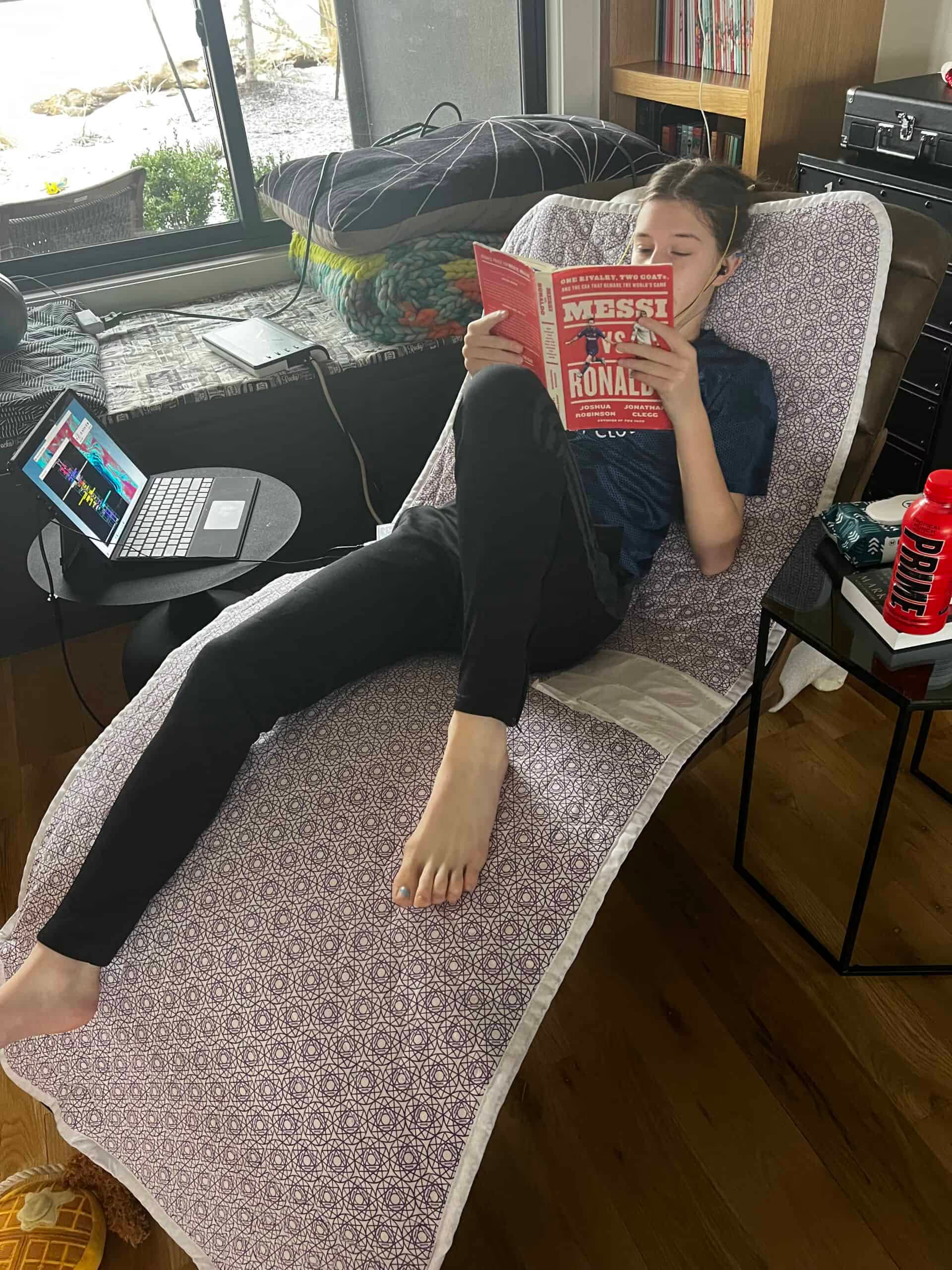
tPBM may be used:
- As a focused brain-energy support option
- Alongside neurofeedback to support recovery and resilience
- As ongoing support for cognitive energy and brain health
Frequently Asked Questions
Is tPBM safe? Will it burn or damage my brain?
tPBM uses low‑level red and near‑infrared light — not heat or lasers that burn tissue. When used properly and within recommended settings, it’s designed to support cellular energy and healthy blood flow, not cause damage. We guide you on safe use, timing, and dosing so it’s appropriate for your brain and nervous system.
Will tPBM affect my sleep?
It can, depending on timing and settings. Some protocols feel more activating, especially if used later in the day. Others are more calming. We help you choose the right timing and approach — for example, daytime vs evening use — based on your goals and how your system responds.
How long before I notice changes with tPBM?
Many people notice shifts in clarity, energy, or sleep quality within the first few weeks, especially with consistent use (3–5 sessions per week). Deeper support for brain fog, fatigue, or long‑term stress load typically builds over 1–3 months.
can I use tPBM if I have a history of concussion, TBI, or neurological issues?
Many people with concussion/TBI or long‑term neurological challenges use tPBM as part of a broader care plan. We review your history first and, when appropriate, encourage coordination with your medical providers so everyone is on the same page.
Want Help Choosing the Right Option?
Whether you're exploring neurofeedback, tPBM-only support, or a combined plan, we’ll help determine what fits your goals and real life.
.jpg)